
We got it.
Thank you for contacting us.
We’ll get back to you as soon as possible.


The new season is a great reason to make and keep resolutions. Whether it’s eating right or cleaning out the garage, here are some tips for making and keeping resolutions.
Lists are great ways to stay on track. Write down some big things you want to accomplish and some smaller things, too.
Check the list regularly
Don’t forget to check in and see how you’re doing. Just because you don’t achieve the big goals right away doesn’t mean you’re not making progress.
Reward yourself
When you succeed in achieving a goal, be it a big one or a small one, make sure to pat yourself on the back.
Think positively
Positive thinking is a major factor in success. So instead of mulling over things that didn’t go quite right, remind yourself of things that did.
Reputation management is ongoing.
Track:
- Keyword rankings
- New content mentions
- Changes in search results
Update your strategy regularly to maintain control.
Negative search results aren’t just an inconvenience—they shape real-world outcomes. Whether you’re applying for a job, closing a deal, or building a personal brand, what appears when someone searches your name can influence trust within seconds.
In 2026, managing your online presence is no longer optional. This complete guide explains how to remove, suppress, and replace negative search results using proven SEO and reputation strategies.

Why Negative Search Results Matter More Than Ever
Search engines are the first checkpoint for credibility. Employers, clients, investors, and even personal connections rely on search results to form opinions quickly.
A single negative result can:
- Lower trust instantly
- Cost professional opportunities
- Damage your personal brand
- Stay visible for years
Even outdated or irrelevant content can create the wrong impression if it ranks highly.
What Counts as Negative Search Results?
1. Outdated Content
Old articles, profiles, or mentions that no longer reflect who you are today.
2. Negative Press or Reviews
Media coverage, blog posts, or reviews that portray you in a poor light.
3. Misleading or Inaccurate Information
Content that is incorrect, incomplete, or taken out of context.
4. Irrelevant Search Results
Pages that rank for your name but have nothing to do with your current identity or goals.
5. Low-Quality or Embarrassing Content
Old social media posts, forum comments, or images that don’t represent your professional image.
If these appear on page one of search results, they define your digital reputation.
Can You Completely Remove Negative Search Results?
The honest answer: sometimes—but not always.
When Removal Is Possible
You may be able to remove content if it:
- Violates platform policies
- Contains defamation or false information
- Exposes private or sensitive data
- Was published without consent (in some cases)
Options include:
- Contacting the website owner
- Filing a legal or DMCA request
- Submitting removal requests to search engines
When Removal Is Not Possible
You likely cannot remove:
- Legitimate news coverage
- Public records
- Opinions or reviews (even if negative)
- Content on high-authority platforms
In these cases, suppression—not deletion—is the most effective strategy.
The Two Core Strategies: Removal vs. Suppression
To control search results, you need to understand the difference:
Removal
Eliminating content from the internet or search index.
Suppression
Pushing negative results down by ranking better, more relevant content above them.
In 2026, suppression is the dominant strategy because it is scalable, predictable, and long-term.
Step 1: Audit Your Search Results
Start with a full audit of your online presence.
Search:
- Your full name
- Variations of your name
- Your name + keywords (e.g., profession, company)
Document:
- Negative URLs
- Their ranking positions
- The type of content
- Domain authority of each source
This helps you prioritize what to address first.
Step 2: Attempt Content Removal
Before building new content, try removing what you can.
Contact Website Owners
Politely request updates or removal, especially for:
- Outdated information
- Incorrect details
- Old personal content
Use Platform Reporting Tools
Most platforms allow you to report:
- Harassment or abuse
- Privacy violations
- False information
Submit De-Indexing Requests
Search engines may remove results involving:
- Personal data exposure
- Legal violations
While success rates vary, even partial removal reduces the workload of suppression.
Step 3: Build a Strong Content Foundation
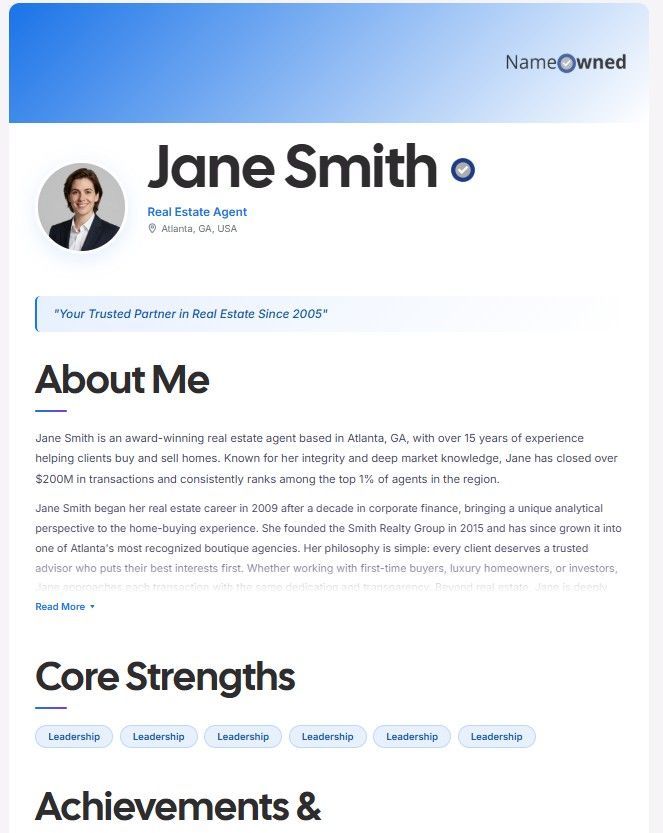
If you want to control search results, you need assets that you own.
Essential Assets Include:
- Personal website (yourname.com if possible)
- Professional profiles (NameOwned)
- Social media accounts
- Portfolio or project pages
These become your core ranking properties.
Step 4: Optimize for Search (SEO Basics That Matter)
To outrank negative content, your assets must be search-optimized.
Focus on:
- Using your full name as a keyword
- Writing clear, relevant page titles
- Publishing high-quality content
- Improving page speed and mobile performance
- Building backlinks from credible sites
Consistency is critical. Search engines reward clarity and authority.
Step 5: Publish High-Authority Content
Content is the engine of suppression.
What Works Best:
- Thought leadership articles
- Industry insights
- Interviews and podcasts
- Press features
- Case studies or success stories
The goal is to create content that is more relevant and valuable than the negative results.
Step 6: Leverage Third-Party Platforms
High-authority platforms rank faster than new websites.
Consider publishing on:
- Medium
- Industry blogs
- News sites
These platforms help you occupy more space on page one.
Step 7: Build Backlinks Strategically
Backlinks signal credibility to search engines.
Effective Methods:
- Guest posting
- Digital PR
- Collaborations
- Directory listings
The more authoritative your backlinks, the faster your content rises in rankings.
Step 8: Strengthen Your Personal Brand
SEO alone isn’t enough—you need a clear narrative.
Define:
- Your expertise
- Your achievements
- Your story
Then ensure all your content reflects that consistently.
A strong personal brand makes your content more compelling—and more likely to rank.
Step 9: Push Down Negative Results
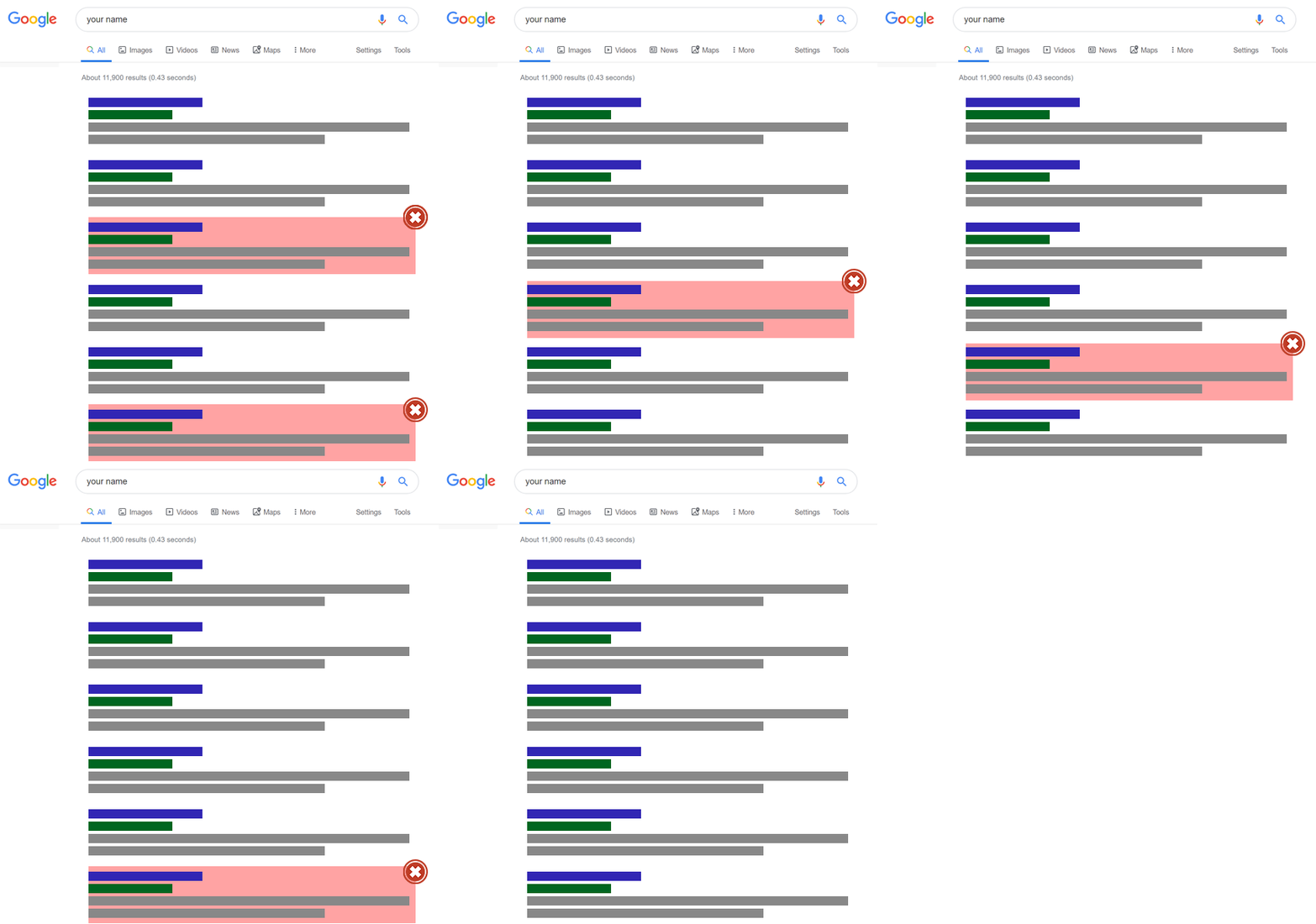
Once you have optimized assets and content, suppression begins.
How It Works:
- Publish consistently
- Optimize continuously
- Build authority over time
As stronger pages rise, negative results move down.
Most users never go beyond page one—so even a small shift has a big impact.
Step 10: Monitor and Maintain
Reputation management is ongoing.
Track:
- Keyword rankings
- New content mentions
- Changes in search results
Update your strategy regularly to maintain control.
Common Mistakes to Avoid
1. Ignoring the Problem
Negative results rarely disappear on their own.
2. Relying Only on Removal
Removal is limited—suppression is essential.
3. Inconsistent Content
Publishing once or twice won’t shift rankings.
4. Weak Branding
Without a clear identity, content lacks impact.
5. Lack of Strategy
Random efforts lead to slow or no results.
How Long Does It Take?
Results depend on:
- Competition for your name
- Authority of negative content
- Consistency of your efforts
Typical Timeline:
- Initial improvements: 1–3 months
- Significant suppression: 3–6 months
- Strong control: 6–12 months
Patience and consistency are key.
The Future of Reputation Management (2026 and Beyond)
Search is evolving rapidly.
Key Trends:
- AI-generated summaries shaping perception
- Increased importance of personal branding
- Greater emphasis on authority and trust signals
This makes proactive reputation management more important than ever.
Why DIY Reputation Management Falls Short
While it’s possible to manage your online presence yourself, it requires:
- Advanced SEO knowledge
- Continuous content production
- Strategic backlink building
- Long-term consistency
Without a structured approach, progress is slow and unpredictable.
Take Control with NamedOwned
NamedOwned is built for one purpose: helping you control what people see when they search your name.
Instead of being defined by negative or outdated content, NamedOwned gives you a powerful, search-optimized presence designed to rank at the top.
What NamedOwned Delivers:
- A personalized, high-ranking landing page
- Content that highlights your accomplishments
- A clear and compelling personal brand
- A structured narrative that tells your story intentionally
- SEO optimization designed to outrank unwanted results
- A polished, professional first impression
NamedOwned isn’t just about visibility—it’s about control.
Become the Top Result for Your Name
When someone searches your name, you should own that space.
With NamedOwned:
- You control the narrative
- You define your identity
- You lead with your strengths
No more outdated links. No more irrelevant results. No more negative first impressions.
You become the top result—not random articles, old content, or unwanted mentions.
Final Thoughts
You can’t always erase negative search results—but you can out-rank them, outshine them, and ultimately replace them.
Reputation is no longer just what you say—it’s what search engines show.
If you want to build a powerful personal brand, protect your reputation, and control your digital identity, the solution is clear:
Create better content. Build stronger authority. Own your narrative.
Ready to Own Your Online Identity?
Take the first step toward controlling your search results today.
With NamedOwned, you get a powerful, search-optimized landing page that:
- Highlights your accomplishments
- Showcases your personal brand
- Presents your story with intention
- Pushes down negative or irrelevant search results
- Creates a strong first impression instantly
Stop letting search results define you. Start defining them.
Get started with NamedOwned—and become the top result for your own name.